
Reflections from the PATCH Conference: Naming Shame in Adoption
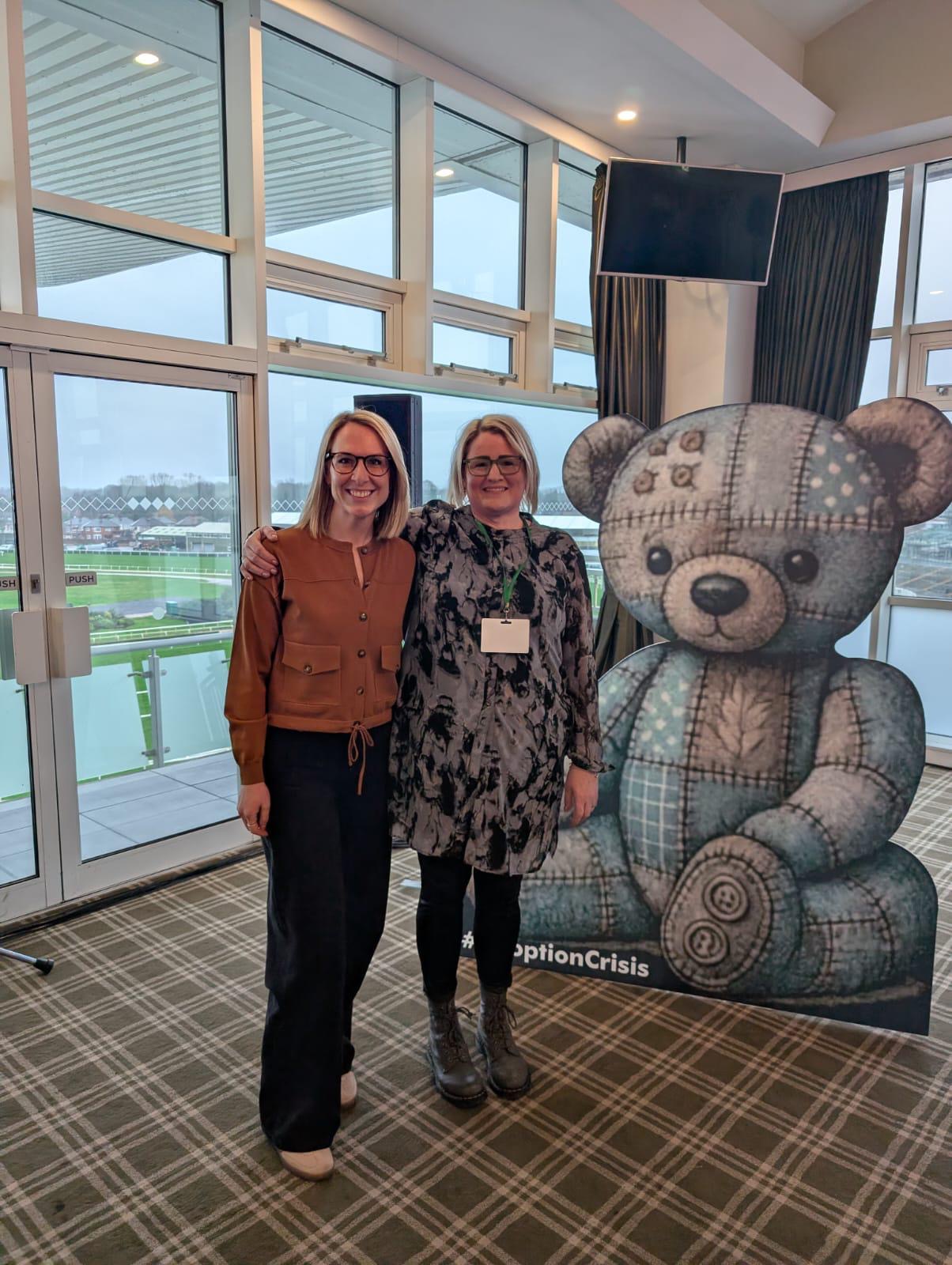
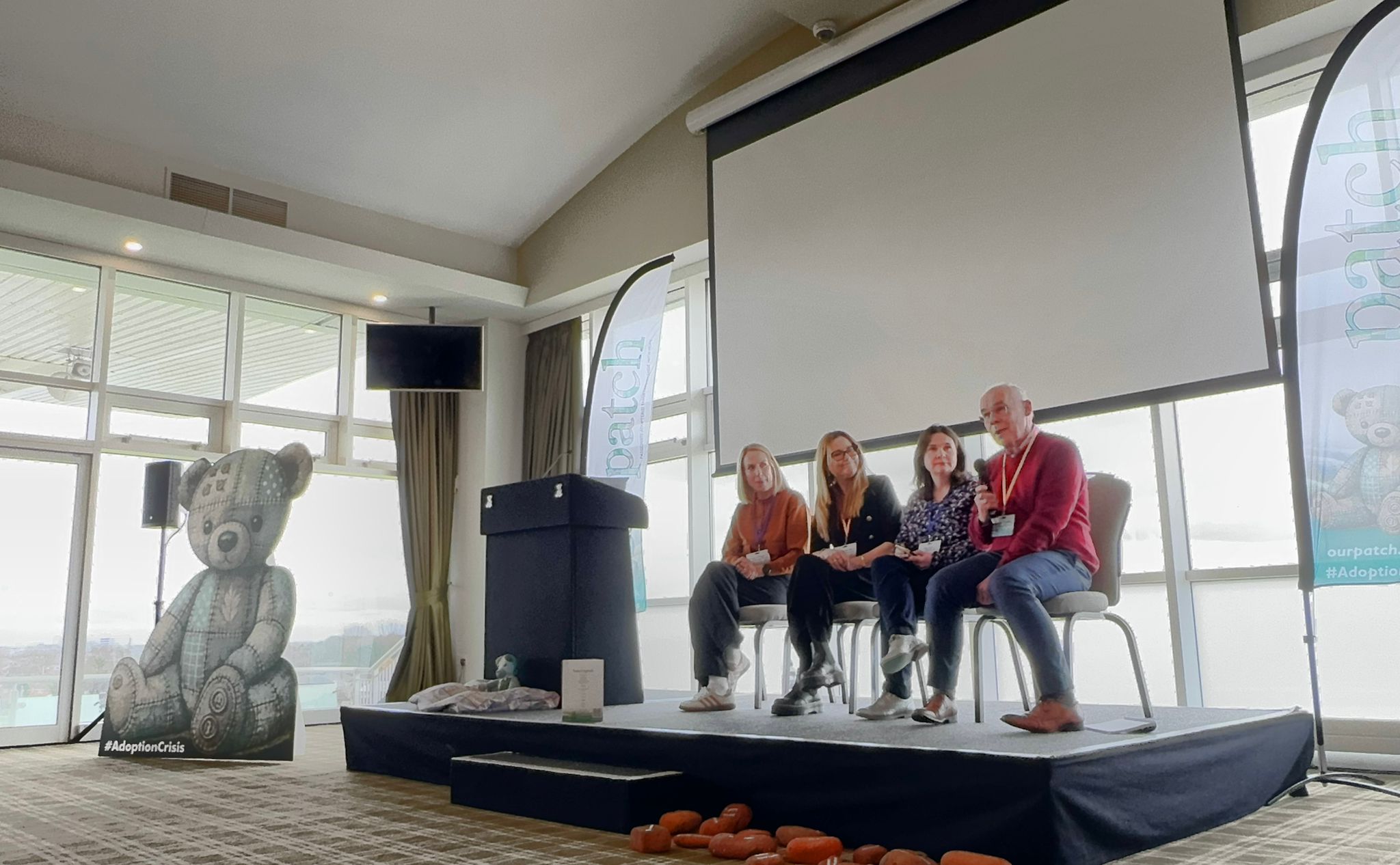
Last week I had the pleasure of attending the first ever PATCH Campaign Conference, a room filled with passion, honesty and deep commitment from both adopters and professionals, all united by a shared desire to create meaningful change for children who have experienced trauma.
One of the most powerful parts of the day was hearing from young people who shared their lived experience so bravely. Their words were a moving reminder of why this work matters and why change is so important. When we truly listen to those with lived experience, the conversation shifts. It becomes less about systems and more about people.
I was honoured (and slightly shocked) to be invited to join the professional panel alongside such respected colleagues including Nigel Priestley, Emily Frith (CEO of Adoption UK) and Dr Claire Agius. Throughout the day, there were many thought-provoking moments, but one question in particular stayed with me: What can we each individually do to overcome the barriers to change?
In the conversations between sessions, one theme kept surfacing again and again: blame and shame.
Shame seems to sit quietly underneath so much of the adoption journey. It appears in different places and at different times, often without being named.
For some adopters, there can be shame around not being able to have biological children. Birth parents may carry profound shame about not being able to continue caring for their child. Many adopted children already hold a heavy burden of shame, growing up with a felt sense of being unlovable or bad. When further shaming experiences occur, even unintentionally, they can overwhelm a child’s nervous system and trigger the protective survival behaviours we so often see.
As time goes on and trauma begins to surface within family life, new layers of shame can develop. Adoptive parents may feel that the preparation and training should have equipped them better. There can be shame in struggling. Shame in noticing how secondary trauma lives within their own bodies and relationships. Shame in the quiet thought: I’m failing my child.
When families reach crisis point or professional involvement increases, shame can deepen further. Parents may feel exposed, needing to explain and justify their difficulties. Early life stories are revisited. Vulnerabilities are laid bare. Professionals and social workers can also carry their own shame, wanting to offer more than systems allow, feeling powerless within constraints, and sometimes becoming defensive even when their care is genuine.
Shame thrives in silence. It grows when behaviours are labelled without curiosity and when people feel blamed rather than understood. But when shame is named gently and met with compassion instead of judgement, something begins to soften.
Children’s protective survival behaviours make sense when we view them through a trauma and attachment lens. They are not signs of failure. They are signs of a nervous system doing its very best to survive.
My friend and colleague Lisa Etherson shared her Shame Containment Theory with me some time ago, and it deeply resonated. Together we wrote Jake and his Shame Armour and the accompanying guidebook as a way to begin these conversations differently, in a way that invites understanding rather than blame. Although the book is written for children, its message is really for all of us: parents, carers, professionals, and even for our own inner child.
The PATCH conference felt like an important step forward. It created space not just for policy conversations, but for honesty. For courage. For naming the things that are often left unsaid.
Shame touches everyone in different ways. Learning to notice it, contain it and speak about it safely can open the door to connection rather than isolation.
And perhaps that is one of the most important steps toward meaningful change.