
A conversation with PATCH: adoption crisis and language
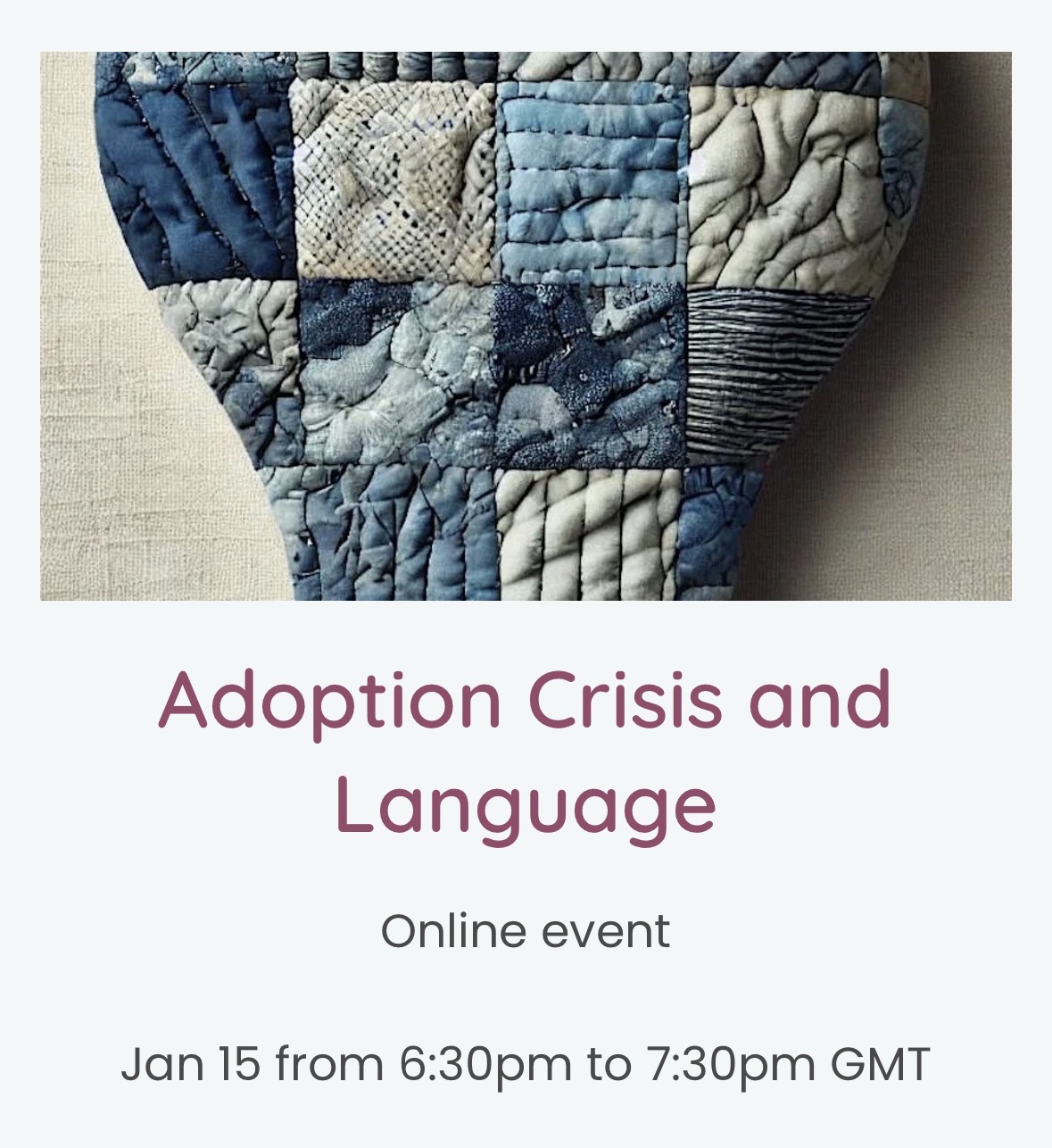
On 15th January, I was honoured to be invited by Fiona Wells of PATCH (Passionate Adopters Targeting Change with Hope) to take part in an important conversation about the adoption crisis and the language we use within it.
It was powerful to see adopters join the discussion, show up with honesty and courage, and share their lived experiences. They remind us that behind every report, label, and professional term are real children and families living complex, painful, and often overwhelming realities.
A key theme of our conversation was how language can so easily become a tool for shame and blame, even when that is not the intention. Words carry weight. They shape perceptions, responses, and outcomes. When language is careless, judgmental, blaming or overly clinical, it can further traumatise families who are already navigating immense challenges.
We spoke about how trauma is contagious. It does not exist in isolation. Trauma ripples outward affecting children, parents, carers, professionals, and systems. When families are unsupported or misunderstood, the impact is felt far beyond the individual child.
This is why language matters so much.
Too often, we hear buzzwords and labels such as “blocked care,” “dysregulated,” or “aggressive.” While these terms can be useful, they can shut down curiosity rather than open it up. They risk defining a child or family by a behaviour rather than asking deeper questions:
-
What does the behaviour actually look like?
-
Why might this be happening?
-
What has this child or family lived through?
When we fail to truly unpick what is underneath the behaviour, we miss opportunities for understanding, compassion, and meaningful support.
We cannot, and should not, use language that further traumatises and shames families for the incredibly difficult situations they are living with. Families need to be seen, heard, and supported.
Yes, the system may need significant change but I believe we all hold responsibility on an individual level too. Each of us has a duty to pause, challenge harmful narratives, and offer a different perspective. One that is grounded in curiosity, empathy, and respect.
Change does not only happen through policy. It happens in conversations, reports, meetings, and everyday interactions, when we choose our words carefully and refuse to let language become another source of harm.
I am grateful to Fiona and PATCH for creating space for these conversations and for campaigning for change.
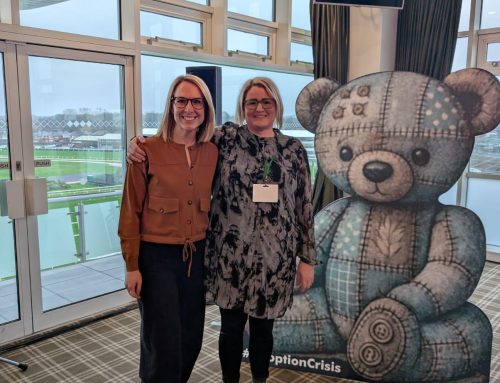
I’m very much looking forward to seeing many of you at the conference in February.